What is Interventional Cardiology?
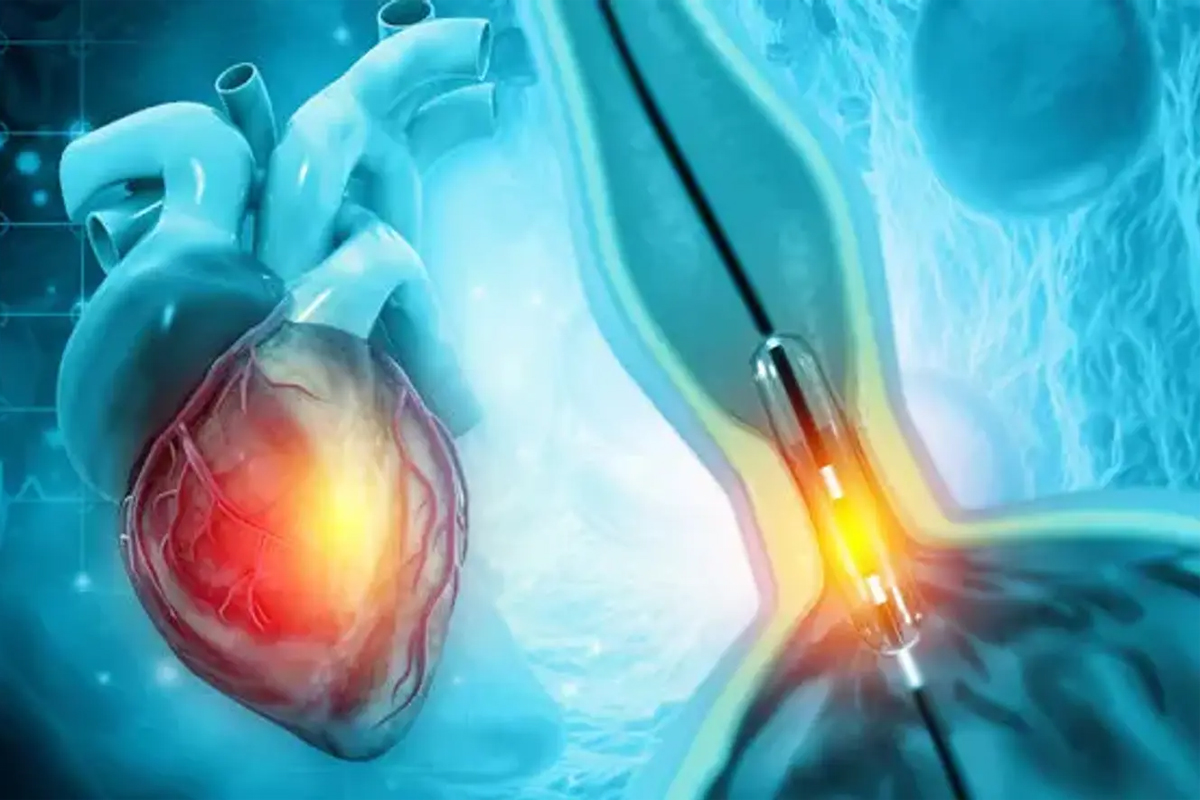
Interventional cardiology is a specialized branch of cardiology that focuses on diagnosing and treating cardiovascular diseases using minimally invasive procedures. These procedures are performed by skilled interventional cardiologists who utilize catheters and other advanced medical technologies to intervene in the heart’s functioning without the need for surgery.
Who is an Interventional Cardiologist?
An Interventional Cardiologist is a highly trained medical professional specializing in the diagnosis and treatment of heart conditions using catheter-based procedures. These specialists undergo extensive training beyond general cardiology to gain expertise in performing intricate interventions aimed at restoring proper blood flow to the heart and managing various cardiovascular conditions.
Why Do We Need the Best Interventional Cardiologist and Team?
- Advanced Treatments: The Best Interventional Cardiologist and team at Metro Hospitals utilize cutting-edge techniques to address a wide range of cardiac conditions, including coronary artery disease, heart valve disorders, and congenital heart defects.
- Minimally Invasive Procedures: Interventional cardiologists excel in performing minimally invasive procedures such as angioplasty, stenting, and transcatheter valve replacements. These procedures offer faster recovery times, reduced risk of complications, and improved patient outcomes.
- Emergency Care: In emergency situations such as heart attacks or acute coronary syndromes, timely intervention by the Best Interventional Cardiology team can be life-saving. They are equipped to perform emergency angioplasty and stenting to restore blood flow to the heart muscle, minimizing damage and improving survival rates.
- Comprehensive Management: The Best Interventional Cardiologist and team at Metro Hospitals offer comprehensive management of cardiovascular conditions, including diagnostic evaluations, personalized treatment plans, and long-term follow-up care to optimize heart health and prevent future complications.
Conditions Managed by the Best Interventional Cardiology Team:
- Coronary Artery Disease (CAD): CAD occurs when the arteries supplying blood to the heart become narrowed or blocked due to the buildup of plaque. This can lead to chest pain (angina), shortness of breath, and heart attacks.
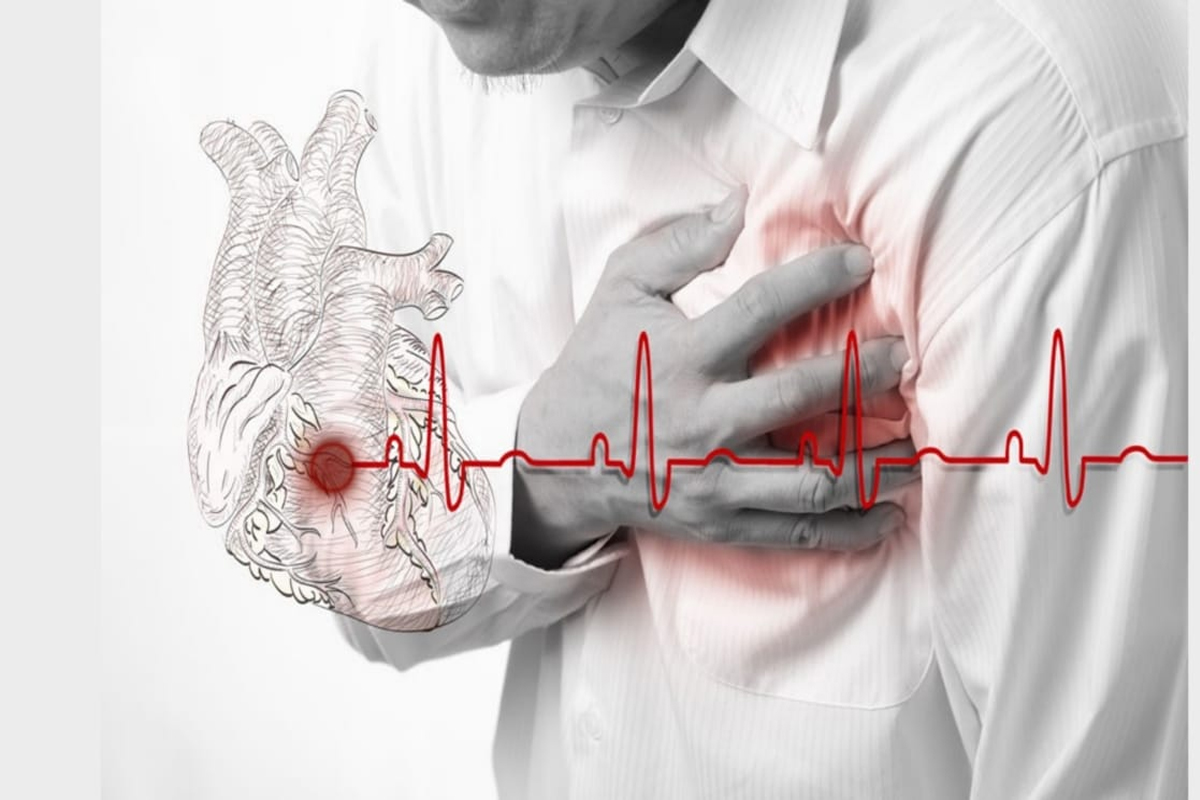
- Heart Attack (Myocardial Infarction): A heart attack occurs when blood flow to a part of the heart is blocked, usually by a blood clot. This leads to damage or death of the heart muscle, resulting in symptoms such as chest pain, shortness of breath, and nausea.
- Heart Valve Disorders: Heart valve disorders involve abnormalities in the valves of the heart, which regulate blood flow. Conditions include valve stenosis (narrowing) or regurgitation (leakage), which can lead to symptoms such as fatigue, chest pain, and heart failure.
- Peripheral Artery Disease (PAD): PAD is a condition where narrowed arteries reduce blood flow to the limbs, usually the legs. Symptoms include leg pain, numbness, and coldness, and it increases the risk of heart attack and stroke.
- Congenital Heart Defects: Congenital heart defects are structural abnormalities present at birth that affect the heart’s function. These can include holes in the heart walls, abnormal valve formations, or misplaced blood vessels.
- Arrhythmias (Irregular Heartbeat): Arrhythmias are abnormal heart rhythms that can manifest as a heartbeat that is too fast, too slow, or irregular. This can lead to symptoms such as palpitations, dizziness, and fainting.
- Structural Heart Conditions: Structural heart conditions involve abnormalities in the heart’s structure, such as defects in the walls, chambers, or valves. These conditions may require intervention to repair or replace damaged structures.
The Best Interventional Cardiology Team at Metro Hospitals is equipped to diagnose and treat these conditions using minimally invasive procedures, providing comprehensive care to improve heart health and quality of life.
Why Choose Metro Hospital for Interventional Cardiology:
Under the visionary leadership of Dr. (Prof.) Purshotam Lal, Padma Vibhushan, Padma Bhushan, Dr. B C Roy National Award, Chairman of Metro Group of Hospitals, Metro Hospitals stands as a beacon of excellence in healthcare. With over 35 years of experience, Dr. Lal is hailed as the most decorated Interventional Cardiologist in India and the “Father of Interventional Cardiology in India” by Prof. Dr. Adnan Kastrati, Director CCL & ISA’s Research, Germany. Recognized multiple times in the LIMCA Book of Records, Dr. Lal’s legacy of innovation and excellence is reflected in Metro Hospital’s state-of-the-art facilities, patient-centric approach, and commitment to quality care.
- Expertise and Experience: Metro Hospital boasts a team of highly skilled interventional cardiologists who are leaders in their field. With years of experience and a commitment to excellence, our specialists deliver superior care and optimal outcomes for patients with complex cardiac conditions.
- State-of-the-Art Facilities: Our hospital is equipped with the latest technology and advanced medical equipment to perform a wide range of interventional cardiology procedures. From cutting-edge cath labs to innovative imaging technology, we ensure that patients receive the highest standard of care.
- Comprehensive Approach: At Metro Hospital, we take a holistic approach to patient care, addressing not only the immediate cardiac concerns but also focusing on long-term heart health. Our multidisciplinary team collaborates closely to develop personalized treatment plans tailored to each patient’s unique needs.
- Minimally Invasive Procedures: We specialize in minimally invasive interventional cardiology procedures, which offer numerous benefits including shorter recovery times, reduced risk of complications, and improved patient comfort. Our expert cardiologists are adept at performing these procedures with precision and skill.
- Emergency Care Excellence: In critical situations such as heart attacks or acute coronary syndromes, timely intervention is crucial. Metro Hospital’s Interventional Cardiology team is available round-the-clock to provide emergency care, ensuring that patients receive prompt treatment when every second counts.
- Patient-Centric Approach: At Metro Hospital, patient satisfaction and well-being are our top priorities. We strive to create a compassionate and supportive environment where patients feel heard, respected, and empowered throughout their treatment journey.
- Positive Outcomes: With a track record of successful interventions and positive patient outcomes, Metro Hospital is recognized as a leader in interventional cardiology. Patients can trust that they are receiving the best possible care from a team dedicated to achieving optimal results.